
Google Q&A Management: Boost Your Visibility
71% of consumers check Q&A sections before visiting a business. This shows that an unanswered question can lose you a customer. With active Google Q&A management, you can turn that risk into an opportunity to improve visibility and drive more sales.
Google Q&A management is key in any local SEO plan. It performs best when combined with a fully completed Google Business Profile. This combination can make your business more visible in Google searches and show up in the local 3-Pack more often.
This introduction explains why Q&A deserves priority, not merely attention. Later, we’ll dive into setting up your profile, keeping an eye on questions, and writing answers that build trust and enhance your local search ranking and marketing Eugene Oregon.
The Local SEO Value of Google Q&A Management
Managing Google Q&A turns simple profile interactions into valuable SEO. Clear, accurate answers add fresh content to a Google Business Profile. This content helps search systems understand relevance for user queries and supports a stronger local presence.
The feature can directly affect Google search visibility by surfacing helpful Q&A content in Search and Maps. When common questions and owner replies appear, users get the facts they need before they click. That reduces friction and can improve click-through rates from results to your listing.
Active Q&A activity contributes to prominence-related local ranking signals. Google rewards profiles that maintain completeness, engagement, and recency. Each answered question signals responsiveness and boosts content associated with the profile. Over time, those signals can influence placement in the local 3-Pack.
Prompt, accurate responses build customer trust. Public answers demonstrate credibility and support reputation management. Constructive Q&A exchanges complement reviews and photos, shaping brand perception before conversion.
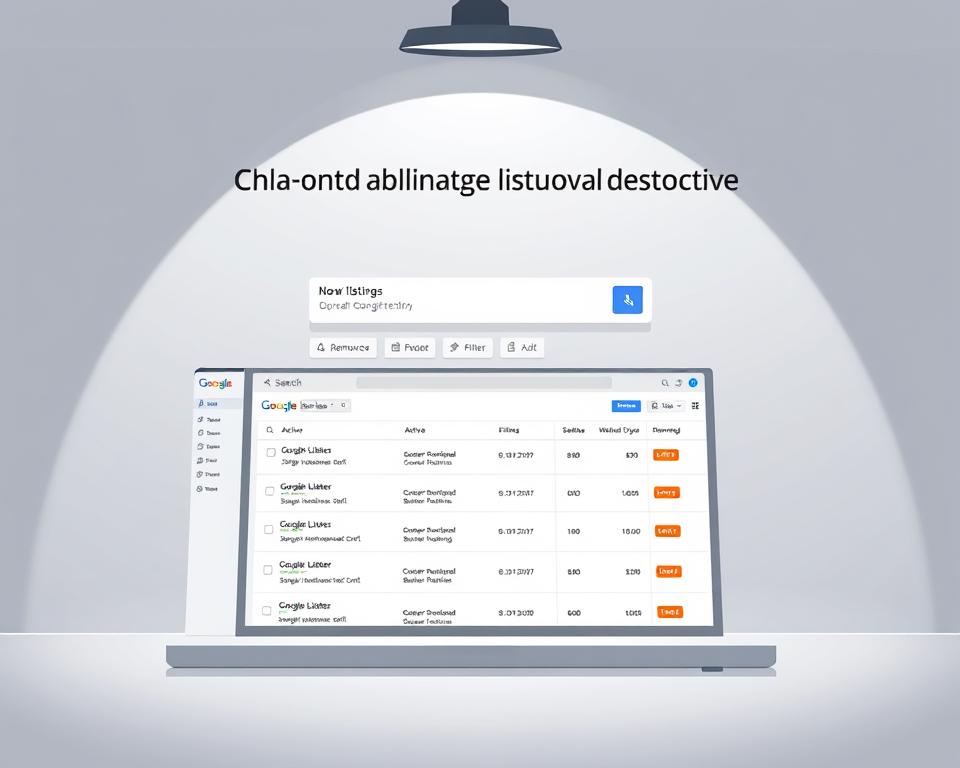
Below is a concise comparison showing how Q&A contributes to key ranking and engagement factors.
| Area | How Q&A Helps | Resulting Impact |
|---|---|---|
| Relevance | Keyword-rich, user-driven questions and owner responses add topical content to the profile | Better match to discovery queries and increased visibility in Google search |
| Prominence | Owner engagement increases activity and signals responsiveness to Google | Higher trust signals that can support moves into the local 3-Pack |
| User Engagement | Public answers increase time on listing and encourage clicks to site or calls | Higher conversion likelihood and enhanced reputation management |
| Content Freshness | Ongoing questions with timely replies keep information current | Ongoing relevance for search algorithms and improved discoverability |
For local SEO, a disciplined Q&A process is both practical and cost-efficient. It produces content, boosts prominence, and increases visibility across Google search. Consistent answering fosters trust that drives action.
How Google Q&A Works on Your Google Business Profile
Google’s Q&A is on a business’s public page. It’s where shoppers can ask about products, services, hours, and policies. Effective Q&A management keeps information current. This helps reduce confusion before a visit or call.
Placement of Q&A in Search and Maps
Q&A appears on your Google Business Profile in Search and Maps. It typically sits near your hours, address, and photos. Concise answers create a strong first impression.
Profile visibility depends on relevance, distance, and prominence. Consistent Q&A activity can improve visibility in local results.
Google Q&A vs. Reviews: Key Differences
Q&A is for short, direct questions and quick answers. Reviews tend to be longer with ratings and detailed experiences. Each influences reputation differently.
Reviews build long-term trust with star ratings. Q&A gives immediate details for booking and product info. View them as separate channels for reputation management.
Who can ask and answer questions and how Google surfaces answers
Customers and owners alike can ask and answer. Verified owners have special tools. Owner answers are marked as authoritative.
Google shows answers based on when they were posted, relevance, and community upvotes. Owner answers are often seen as authoritative. They help guide customers to accurate information.
Setting Up Your Google Business Profile to Support Q&A
A well-configured Google Business Profile makes Q&A management simpler and cuts down on repetitive customer questions. Begin by signing in, adding your business details, and selecting the most accurate category. For service-area businesses, set a service area instead of a storefront address.
Thorough, accurate details boost local relevance and improve online presence. Add full address, phone number, business category, hours, and clear attributes such as parking and Wi-Fi. Upload recent photos and list products or services so customers find answers without asking.
Verification unlocks profile controls needed to respond to Q&A as an owner or manager. Choose phone, email, postcard, video recording, or live video chat for verification. Manual review can take up to seven business days. After verification, claim ownership and assign managers to maintain accuracy.
Proper categories and attributes reduce confusion that leads to questions. Review primary and secondary categories, set accurate hours including special hours, and mark attributes that matter for customers. Routine updates prevent outdated information from creating repeat inquiries.
Use these setup steps to optimize Google My Business and reinforce your local SEO strategy:
- Sign in, add your business name, and choose the precise category.
- Enter your address or service area, phone number, and website.
- Pick a verification method and complete verification promptly.
- Upload photos, add products/menus, and configure attributes.
- Assign verified owners/managers for ongoing maintenance.
Keeping the profile updated helps teams monitor Q&A and improves online presence by showing accurate facts to searchers. This approach supports a practical local SEO strategy while making it easier to optimize Google My Business for long-term visibility.
Managing Google Q&A Effectively
Keeping an eye on Google Q&A helps protect your brand and boosts visibility. It’s a task that supports your online reputation, engages customers, and improves your Google My Business listing for local searches.
Best practices for monitoring questions and responding promptly
Set goals for how fast you’ll answer questions and check them every day. Fast, accurate replies prevent misinformation and show respect for customer time. Use concise, clear answers with a specific next step when appropriate.
Assigning roles and workflows for consistent answers
Assign ownership for Q&A within your team. For businesses with many locations, make sure there’s overlap to avoid gaps. Define escalation paths for legal, billing, or safety topics to keep responses consistent and compliant.
Using notifications and third-party tools to streamline Q&A oversight
Turn on Google Business Profile notifications and link them with a local SEO dashboard or social listening tool. This way, you catch new questions quickly. Use templates for answers but make each one fit the question. Also, watch for changes to your profile content to avoid repeat questions.
Put these steps together for a simple workflow: watch notifications, send questions to the right person, use a template for answers, and track results for better answers next time. This approach streamlines Q&A, enhances reputation, and boosts engagement while continuously optimizing Google My Business.
Crafting Answers That Boost Trust and Conversions
Plain, helpful replies can convert casual searches into bookings or sales. Use a friendly, professional tone that answers the question up front. Short sentences and concrete facts build credibility and foster engagement.
Tone and format
Lead with the direct answer, then add brief context. Keep paragraphs short and wording simple. When rules or policies matter, name them plainly—refund policy, appointment window, or accessibility options—to remove doubt.
Content guidelines
Keep brand voice consistent with site copy and Google Business Profile content. Share availability, precise locations, or timeframes when applicable. For menu or service questions, provide specifics such as “We offer gluten-free pizza at our downtown Chicago location” rather than vague claims.
Keyword use without stuffing
Blend keywords naturally into responses. For example, mention Google Q&A management when explaining who handles responses, or note that quick answers help search engine ranking for local queries. Avoid repeating phrases; place terms where they read naturally to improve online presence.
Using Links, Photos, and Follow-Ups
Add a link only when it helps the user complete an action, such as booking, viewing a menu, or checking directions. Attach a photo to clarify details such as parking or entrances. Close with a clear call to action: call, book online, or message us.
Practical reply examples
- “Yes — we accept walk-ins and online reservations for our Seattle clinic. Call at 206-555-0123 to secure the same-day slot.”
- “Our downtown location has free street parking and an accessible ramp. See the attached photo for the entrance.”
- “We honor refunds within 30 days for unopened products.”
Checklist for Authoritative Answers
| Component | Reason | What to do |
|---|---|---|
| Direct first line | Establishes instant trust | Answer the question in one sentence |
| Specific detail | Prevents unnecessary follow-ups | Provide specifics—times, locations, limits |
| Relevant term | Helps discoverability | Include a key term naturally |
| Useful asset | Encourages conversions | Add a photo or link if it solves the query |
| Call to action | Drives customer action | Offer a clear step: call, book, or visit |
Strong replies reinforce local visibility and build trust. Applying these practices consistently strengthens Q&A management, increases engagement, can aid search rankings, and enhances online presence over time.
Driving Positive Engagement and Self-Service via Q&A
Proactive Q&A cuts down on routine questions and makes service faster for busy customers. Fill your Google Business Profile with clear answers to common topics like hours, parking, and reservations. This streamlines Google Q&A and improves online presence by reducing friction for searchers.
Proactive Q&A: Pre-answering Common Questions
Make a list of the top ten questions people ask at your place. Post owner-verified answers proactively. Keep answers concise to enable self-service and optimize Google My Business for FAQs.
Inviting Customer Answers and Incentive Risks
Ask happy customers to share their experiences or confirm details. Prompt via signage, receipts, or messages for honest feedback. Don’t offer rewards for answers. Paid incentives can skew responses, break rules, and hurt trust, which harms customer engagement.
Integrating Q&A with Website, Posts, and Messaging
Match Q&A content with your website FAQ, Google Posts, and messaging channels. Cross-link answers across channels to prevent mixed messages. Refresh Q&A in social posts and contact pages to strengthen online presence and reduce repeat questions.
Handling Negative or Incorrect Answers and Reputation Risks
Incorrect or negative answers can damage trust and reduce visibility. Swift, calm, fact-based responses protect reputation. Rely on alerts and routine checks to catch harmful claims early.
Identifying incorrect or harmful user answers quickly
Enable Q&A notifications and watch for safety or refund keywords. Focus on answers that could mislead customers. Run weekly audits of recent questions and compare them with your verified profile details to spot misinformation.
How to flag content, suggest edits, and reclaim control when needed
If an answer is incorrect, respond with clear corrections and supporting evidence. Use the “flag as inappropriate” option for content that violates Google policies. If a listing error keeps happening, update your profile fields or contact Google Business Profile support.
Turning Negatives into Reputation Wins
Acknowledge concerns calmly. Offer concrete next steps like a direct contact number or refund process. Public, professional replies show transparency and can improve your search engine ranking by increasing engagement and credibility.
| Issue | Immediate Action | Owner Response | Outcome for Reputation |
|---|---|---|---|
| Wrong pricing listed in an answer | Flag answer and suggest correct pricing | Publish the correct price with a menu or invoice photo | Restores trust and reduces confusion |
| Safety concern raised by a user | Escalate to operations and flag content | Share factual steps taken and a follow-up contact | Demonstrates accountability; improves online reputation management |
| Hours or location incorrect | Suggest an edit and update hours immediately | Confirm update publicly and give directions | Prevents missed visits and can aid rankings |
| Abusive or hostile answer | Flag for policy violation | Respond briefly and professionally; offer private contact | Limits escalation and demonstrates control through Q&A management |
Measuring Q&A Impact on Local SEO
Start by defining success for your Q&A program. Combine engagement metrics with tangible business actions. That forms a framework connecting daily tasks to clear outcomes.
Track profile views and discovery queries. Monitor clicks to site, direction requests, and calls. Count Q&A interactions such as questions, answers, and upvotes.
Watch engagement rates alongside local ranking trends. Include local 3-Pack presence. Use profile insights to compare Q&A activity with traffic and conversions.
Look for growth in discovery queries and views. Also, see more direct actions after owner answers. This shows how Q&A boosts your local SEO strategy.
Define KPIs to justify effort. For instance, target a 24-hour response window. Increase profile views by a certain percentage in a few months. Also, boost discovery queries and conversion rates from profile interactions.
Create a straightforward reporting cadence. Review weekly trends for quick fixes and monthly deltas for bigger shifts. Use this data to improve responses, train staff, and grow your Google Q&A efforts.
Tools & Workflows—and When to Bring in a Pro
Managing multi-location questions requires the right tools and defined processes. Small teams can use the Google Business Profile dashboard and its notifications for single locations. Larger brands benefit from platforms that centralize alerts and route owner responses.
BrightLocal and Yext are helpful for multi-location management, and social listening/helpdesk tools can surface mentions. Such tools accelerate responses and support reputation management by making Q&A activity visible.
SOPs reduce guesswork and safeguard voice. Set daily checks of notifications and a service-level agreement to respond within 24 hours. Maintain templates for common questions, define escalations for sensitive issues, and run monthly audits.
Define roles: primary owner, backup manager, and compliance reviewer. Maintain current verification and access for each Google Business Profile account so teams can publish owner answers without delay. Track response times and update templates from audit findings.
Hire a professional when internal bandwidth is short, question volume is high, or multiple locations stretch available staff. Managed Q&A agencies handle monitoring, verification, and ongoing optimization to protect visibility and reputation.
Marketing1on1 specializes in U.S. local SEO and Google Q&A management. Their services include profile verification help, continuous Q&A monitoring, and integrations with analytics to measure impact. They build workflows for multi-location management and help businesses optimize Google My Business listings while strengthening online reputation management.
Wrapping Up
Active Google Q&A management is a practical path to improve online presence. Make sure your Google Business Profile is up-to-date and verified. Respond quickly and clearly to build trust and improve visibility.
By handling Q&A yourself, you can cut down on repeat questions. This boosts customer interaction. Use tools to track how well your Q&A is working, helping you see its impact on your business.
In the U.S., well-run Q&A can be highly effective and affordable. Firms like Marketing1on1 can help maximize outcomes. They can improve rankings, drive engagement, and convert profile views into sales.